
Purpose-Built Rental Communities
Build-to-Rent Financing
A build-to-rent community is a subdivision on the construction side and an apartment property on the exit side. The financing has to hold both ideas at once.
- Core focus
- Build-to-rent development from $8 million to $15 million as a core range, with phases from $3 million and community-scale programs structured larger
- Coverage
- Horizontal development, vertical construction, lease-up carry, stabilization, and the permanent exit
- Program parameters
- Confirmed during project review; leverage, term, pricing, and conditions vary by project, sponsorship, and capital source
Who this serves
- Developers of single-family rental communities
- Sponsors building townhome and cottage-format rentals
- Subdivision builders delivering communities for rental operators
- Sponsors moving finished lots into vertical rental construction
- Developers planning portfolio aggregation across communities
When it fits
- The site is entitled, with finished lots in hand or a horizontal plan engineered
- Underwritten rents are supported by comparable rental evidence
- The operating plan runs through lease-up to stabilization, with real expense loads
- The exit (stabilized refinance or portfolio sale) is defined before closing
Build-to-rent borrows its construction logic from subdivisions and its exit logic from multifamily. Homes deliver in phases across a horizontal plan, like any single-family community, but nothing is listed for sale. The community leases home by home toward stabilization; the payoff is a refinance or portfolio sale priced on income. That hybrid is the whole underwriting: a homebuilder's budget on one side, an apartment operator's proforma on the other, credible as both.
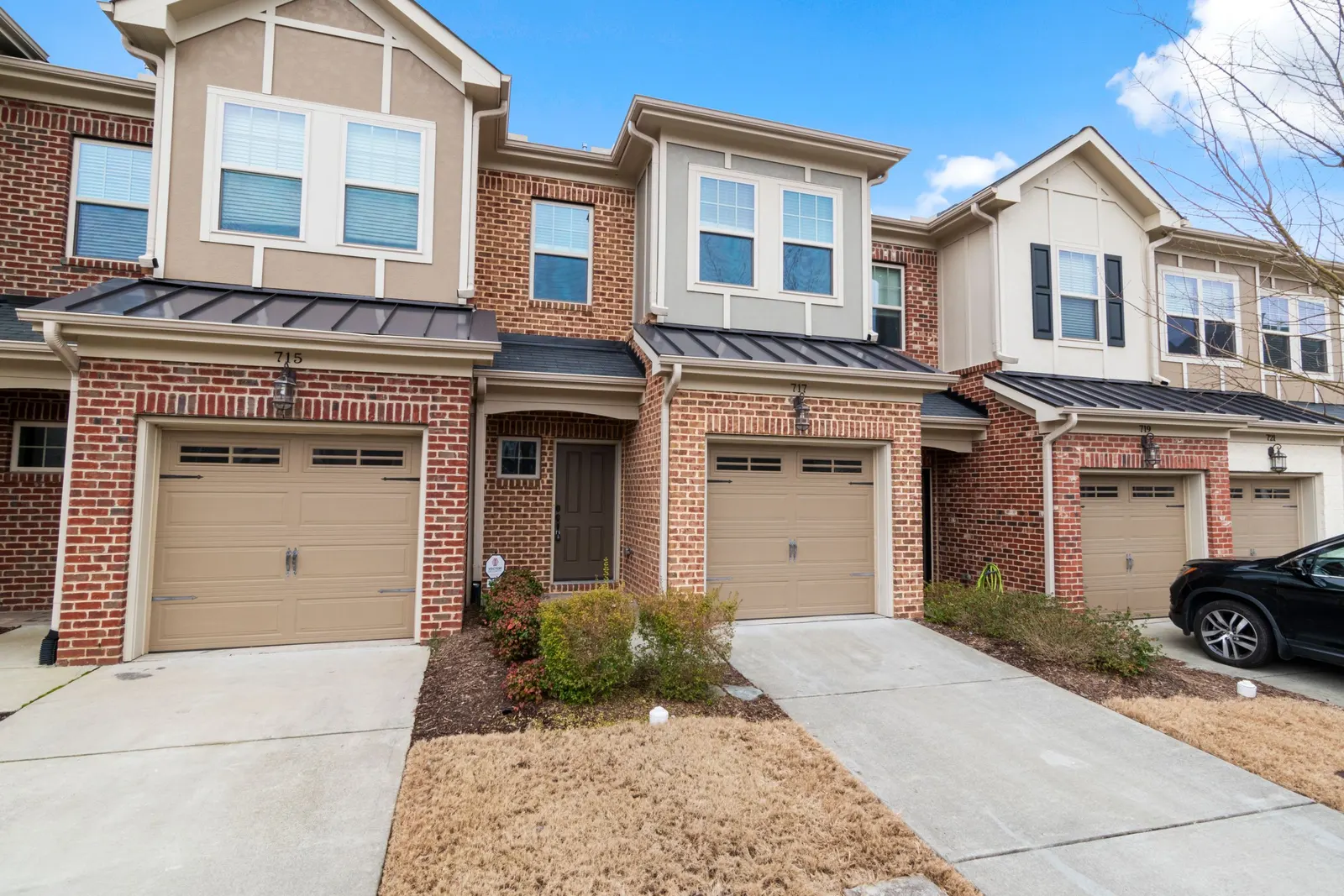
Evoque Commercial arranges build-to-rent financing for developers of purpose-built rental communities: detached single-family rentals, townhome rentals, cottage neighborhoods. The work is business-purpose finance from site work through stabilization. Build-to-rent transactions from $8 million to $15 million sit in one of our core ranges, phases from $3 million to $7 million in another, community-scale programs structured through institutional relationships.
When build-to-rent financing fits
The program fits an entitled site with an engineered horizontal plan or finished lots, rents supported by comparable evidence, and an operating plan through stabilization. If the community will be sold home by home, the file belongs on single-family subdivision financing. Construction may look identical; exit and underwriting do not. Denser rental product on a single parcel is usually multifamily construction financing territory; where only site work is at issue, horizontal development and finished-lot financing addresses the lot conversion.
Eligible projects and property types
The common formats: detached single-family rental neighborhoods, townhome rental communities, cottage and cluster plans, hybrids across a phased site. Communities start from raw entitled land through horizontal and vertical construction, or from finished lots. Phased delivery is the norm: homes complete in waves while leasing runs continuously.
What the financing typically covers
Depending on the file, the structure may include land or finished-lot acquisition, horizontal development, phased vertical construction, soft costs, financing costs, an interest reserve through delivery, and lease-up carry (the marketing, staffing, and operating shortfall from first move-ins to stabilization). Draws fund against completed, inspected work. Delivery and leasing overlap, so reserve math deserves honesty: each completed wave adds carry until it leases, and the budget should absorb a slower pace than proforma.
What capital sources evaluate
Rents first: underwritten against comparable rental product (not for-sale comps converted by formula) with real expense loads: management, maintenance, turnover, taxes reassessed at completed value. Then absorption: how fast comparable communities actually leased, and what the carry budget does if the subject leases slower. Then the construction file: budgets, contractor capacity, phasing logic.
The exit comes last: stabilized income against the debt markets or buyers likely to be there, often framed through debt yield rather than optimism. Leverage, pricing, term, and recourse are confirmed during project review; they vary by project, sponsorship, and capital source.
Sponsorship, equity, and the sources-and-uses
Build-to-rent sponsorship is read on two résumés: building communities and operating rentals. Sponsors strong on one side often pair with partners on the other: a builder with an operating partner, an operator with a fee builder, the structure reflecting who stands behind which promise. Sponsor equity arrives as cash, land basis, or completed horizontal work; where more than senior debt is needed, structured capital is added with intercreditor terms settled early. The sources-and-uses runs through stabilization: the most common BTR shortfall is not construction cost but the quiet months between delivery and occupancy.
Construction to stabilization and the permanent exit
The construction loan's job ends near completion; the community's is just beginning. Planning the handoff before delivery means choosing a transition, not accepting one. For most communities that means a construction-to-bridge structure retiring construction debt and carrying lease-up to stabilization. Sponsors aggregating communities toward a portfolio exit should say so at the first review; sequencing facilities is easier before the first closes than after the third.
Documentation to expect
The core set: site and home plans, horizontal and vertical budgets with schedules, entitlement and permit documentation, the rental proforma with comparable support and real expense loads, the leasing and management plan, contractor and operator information, the sponsor's résumé and financial summary, and a current sources-and-uses. Third-party reports (appraisal on income and cost approaches, environmental, plan review) are ordered during processing. The developer document checklist assembles the BTR-specific list.
Where build-to-rent files get difficult
The recurring difficulties: rents underwritten from for-sale logic instead of rental comps, expense loads too thin to survive an appraisal, leasing pace assumed from apartment absorption in a different format, delivery waves outrunning the leasing team, taxes underwritten at land basis instead of completed value, and exit assumptions requiring the debt market of a better year. None is automatically fatal. All are visible in a candid review, invisible in a proforma built to close rather than operate.
Frequently asked questions
Can horizontal development and vertical construction be financed in one plan?
Often they can be sequenced within one plan, and sometimes they are better structured as separate facilities with a defined handoff. The answer turns on lot ownership, the delivery schedule, and when leasing begins. The project review maps both paths against your community's timeline.
How is lease-up carry handled on a BTR project?
Purpose-built rental communities deliver homes in waves while leasing runs alongside, so the carry between first delivery and stabilization is a budget line, not a hope. Reserves are sized to a realistic leasing pace, and the transition to bridge or permanent debt is planned before completion.
Can several communities be financed as a portfolio?
Portfolio structures are evaluated for sponsors with demonstrated delivery and operations across communities. Each community must still stand on its own budget and rents, but financing them coherently can improve execution and position an eventual portfolio exit.
What if we decide to sell homes individually instead of holding the community?
A genuine pivot from rental to for-sale changes the underwriting, the legal preparation, and often the capital source. If a dual-track exit is a real possibility, surface it during review so the structure preserves the option; retrofitting it later is far harder.
Related resources
Financing
Multifamily Construction Financing
Construction financing for residential properties of five units and more, structured from groundbreaking through lease-up, stabilization, and the permanent takeout.
Financing
Construction-to-Bridge Financing
The planned handoff from construction loan to stabilization: retiring construction debt at completion and carrying lease-up to a permanent exit.
Solution
Lease-Up Bridge Financing
The certificate of occupancy ends construction, not carry. How lease-up bridges are structured, what stabilization actually means, and how the takeout gets planned honestly.
By Loan Size
$8 Million to $15 Million Development Financing
The second of our core transaction ranges, where condominium projects, mid-sized subdivisions, multifamily, and build-to-rent phases meet layered capital structures, fuller report sets, and coordination that has to be managed deliberately.
Financing
Residential Development Financing
Financing structured around the residential development lifecycle, from site acquisition and entitlements through horizontal development, vertical construction, lease-up, and exit.
Financing
Ground-Up Construction Financing
Construction financing for entitled and shovel-ready residential projects, structured around the budget, the draw schedule, and the exit.
Reviewed by Eddie Luhrassebi, Founder & CEO · CA DRE #01230650 · NMLS #337071 · Last updated July 21, 2026
Nothing on this page is a commitment to lend, a rate or term quote, or an approval. Any financing described is subject to full underwriting, third-party reports, documentation, and approval by the applicable capital source. Submitting a project review request does not create a commitment of any kind.
Financing structures described on this page may not be available for every project, sponsor, location, or point in time. Availability depends on project feasibility, sponsorship, market conditions, and the requirements of participating capital sources. State availability may vary.