
Community-Scale Homebuilding
Single-Family Subdivision Financing
A subdivision is a sequence of absorption decisions disguised as a construction project. The financing should be phased the way the community will actually sell.
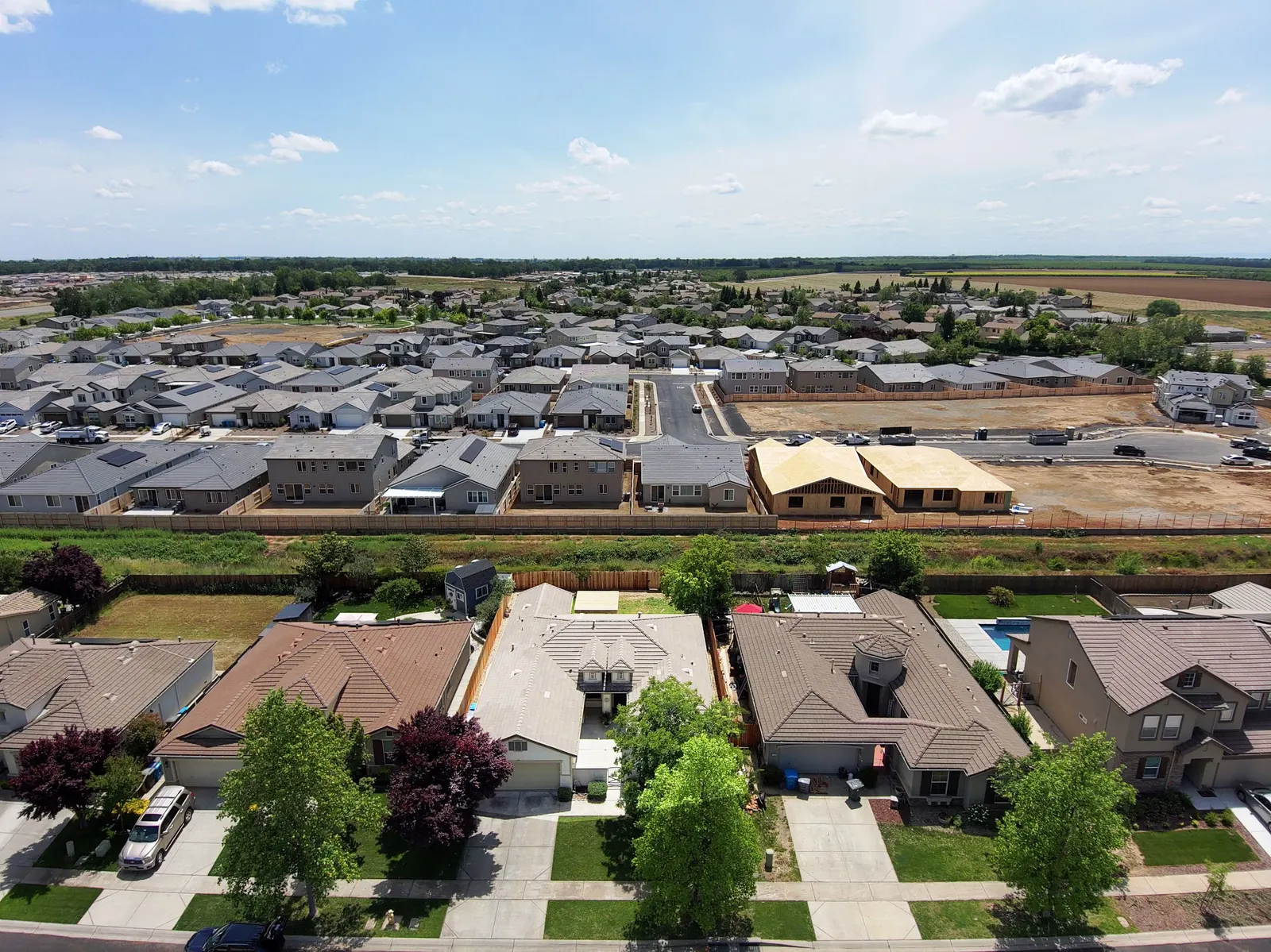
- Core focus
- Subdivision programs from $8 million to $15 million as a core range, with individual phases from $3 million and multi-phase communities structured larger
- Coverage
- Land, horizontal development, finished lots, model homes, phased vertical construction, and standing inventory
- Program parameters
- Confirmed during project review: leverage, term, pricing, and conditions vary by project, sponsorship, and capital source
Who this serves
- Developers acquiring land for single-family communities
- Builders converting entitled acreage into finished lots and homes
- Homebuilders running phased vertical construction programs
- Developers selling finished lots to homebuilders
- Builders carrying model homes and standing inventory
When it fits
- Entitlements are in place or on a dated, credible path
- The phasing plan matches realistic absorption, not the optimistic case
- Horizontal and vertical budgets are engineered, not estimated
- The builder or contractor team has comparable community experience
A single-family subdivision is built once but sold dozens of times, and the selling schedule, not the construction schedule, is what the financing must survive. Lots develop in phases, homes start against sales evidence, models carry the marketing, and each closing's proceeds feed the next start. When the capital structure mirrors that rhythm, a community builds through cycles; when it ignores it (funding everything at once, assuming every phase sells on the proforma date) the project carries inventory risk it never priced.
Evoque Commercial arranges single-family subdivision financing for developers and homebuilders: business-purpose finance across the sequence of land, entitlements, horizontal development, finished lots, model homes, phased vertical construction, and standing inventory. Subdivision transactions from $8 million to $15 million sit in one of our core ranges, individual phases from $3 million to $7 million in another, multi-phase master plans structured through institutional relationships.
When subdivision financing fits
The program fits a community with entitlements in place or on a dated path, engineered site-work and home budgets, and a phasing plan built on absorption evidence. If the need is limited to site work and lots, horizontal development and finished-lot financing is the more precise fit. A single spec home belongs on ground-up construction financing; where land, development, and construction form one plan, acquisition, development, and construction financing sequences all three.
Eligible projects and property types
It serves single-family communities across the spectrum (production neighborhoods, move-up communities, higher-end enclaves) whether the sponsor develops its own lots or builds on acquired lots. Builder pipeline facilities, supporting starts across more than one community, are evaluated for sponsors with demonstrated velocity and clean project-level reporting.
What the financing typically covers
Depending on the file, the structure may address land acquisition, carry on entitled land, horizontal development through finished lots, model homes, phased vertical construction, financing costs, and an interest reserve matched to the build-and-sell schedule. Draws fund against completed, inspected work. Phasing mechanics are written in: lot releases as homes close, takedown schedules where lots feed a vertical program, sale proceeds split between debt reduction and the next phase. Standing inventory (completed homes awaiting buyers) is planned for, not a surprise.
What capital sources evaluate
Absorption carries the file: what comparable communities actually sold per month at the price point, how the phasing plan responds if pace slows, and whether pricing survives the competition delivering alongside. Then the budgets (horizontal against completed engineering, vertical against the builder's history) and the team: community-scale homebuilding is an operating business, not a single build. Lot basis against finished-lot value, contingency depth, and sponsor liquidity through phase boundaries complete the picture. Leverage, pricing, term, and recourse are confirmed during project review; they vary by project, sponsorship, and capital source.
Sponsorship, equity, and the sources-and-uses
The sources-and-uses runs the full community, phase by phase, sponsor equity in cash, land basis, or work in place. Existing land debt is resolved at closing (paid off, subordinated, or restructured), never an ambiguity. A sponsor whose last community sold through on evidence-based pricing brings more than any line item; one stretching from custom homes to community scale should expect the structure to acknowledge it.
Exit strategy
Subdivision exits are serial: home closings, lot sales to builders, or both, across phases and quarters. The plan names how each closing retires debt and funds the next start, what happens if absorption runs slow, and where completed inventory financing picks up homes that finish before their buyers. Communities with a rental component, or a pivot option, should surface it early: a for-sale structure and a rental exit are different underwritings.
Documentation to expect
Expect entitlement documentation and conditions of approval, engineering and final plats, horizontal and vertical budgets with schedules, the absorption study or comparable-community data, contractor and builder information, the sponsor's résumé and financial summary, and a current sources-and-uses. Third-party reports are ordered during processing. The developer document checklist builds the community-specific list.
Where subdivision files get difficult
The recurring patterns: absorption imported from a stronger market or a hotter year, phase-two land carried by phase-one profits that have not arrived, horizontal overruns rippling into every vertical budget behind them, models booked as profit rather than marketing cost, bond and improvement obligations discovered late, and pricing held flat while competition adjusts. None is automatically fatal; subdivisions are long projects, and long projects self-correct when structure leaves room. The review exists to make sure the room is there.
Frequently asked questions
Can one structure cover both the lots and the homes?
Sometimes the horizontal and vertical scopes belong in one plan, and sometimes they are better financed as sequenced structures with a planned handoff. The answer depends on timing, ownership, and how much of the vertical program is committed when the site work starts. The review maps both paths before recommending one.
How does phasing affect the financing?
Phasing is the financing. Lot releases, home takedowns, and the application of sale proceeds are structured against the absorption plan, so capital for the next phase depends on evidence from the last one. A phasing plan built on realistic absorption protects the sponsor as much as the capital source.
How are model homes treated?
Models are sales infrastructure, and depending on the file they can be financed within the program. They are underwritten differently from production homes because they sell last, often upgraded and leased back. Say early how many models the plan requires and how they exit.
What happens if homes finish before they sell?
Standing inventory is a normal feature of community building, not an emergency, if it is planned for. Completed homes can be moved to inventory financing that carries them through the sales period. Building that possibility into the plan beats arranging it under a maturity date.
Related resources
Financing
Horizontal Development & Finished-Lot Financing
Financing that converts entitled land into finished residential lots: site work, infrastructure, lot inventory, and the handoff to vertical construction.
Financing
Ground-Up Construction Financing
Construction financing for entitled and shovel-ready residential projects, structured around the budget, the draw schedule, and the exit.
Solution
Completed Inventory Financing
Finished homes that have not sold yet hold real equity and real carry. How inventory financing works, and when repricing beats refinancing.
By Loan Size
$8 Million to $15 Million Development Financing
The second of our core transaction ranges, where condominium projects, mid-sized subdivisions, multifamily, and build-to-rent phases meet layered capital structures, fuller report sets, and coordination that has to be managed deliberately.
Financing
Build-to-Rent Financing
Development financing for purpose-built rental communities, from site work and vertical construction through lease-up, stabilization, and the permanent exit.
Financing
Residential Development Financing
Financing structured around the residential development lifecycle, from site acquisition and entitlements through horizontal development, vertical construction, lease-up, and exit.
Reviewed by Eddie Luhrassebi, Founder & CEO · CA DRE #01230650 · NMLS #337071 · Last updated July 21, 2026
Nothing on this page is a commitment to lend, a rate or term quote, or an approval. Any financing described is subject to full underwriting, third-party reports, documentation, and approval by the applicable capital source. Submitting a project review request does not create a commitment of any kind.
Financing structures described on this page may not be available for every project, sponsor, location, or point in time. Availability depends on project feasibility, sponsorship, market conditions, and the requirements of participating capital sources. State availability may vary.