
Luxury For-Sale Development
Luxury Residential Development Financing
Luxury development concentrates risk in a handful of buyer decisions at a demanding price point. The financing has to be built for that concentration, not around it.
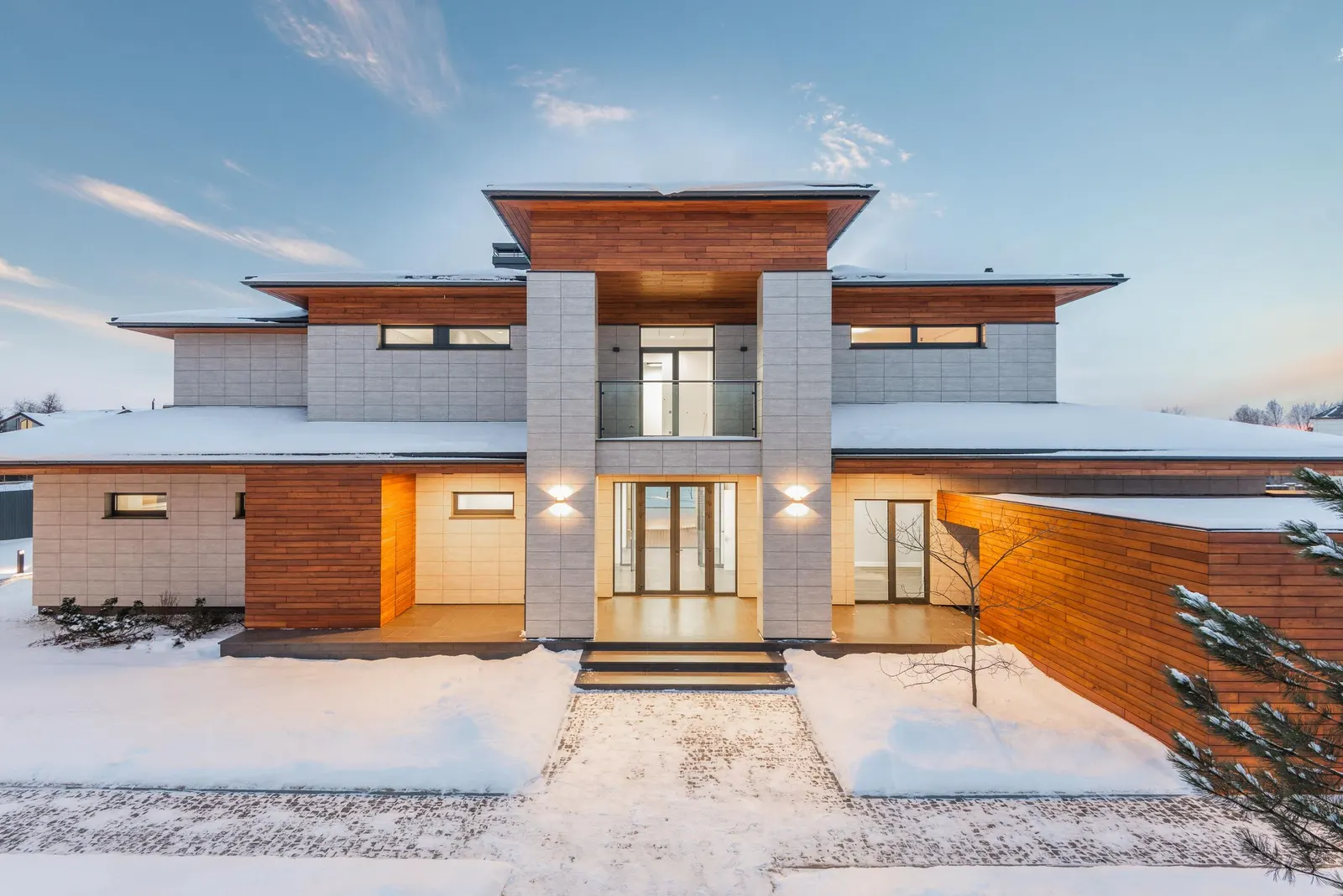
- Core focus
- Luxury for-sale development from $3 million to $7 million as a core range, with estate and condominium projects into the tens of millions
- Property types
- Spec estates, custom homes built for sale, high-end infill, resort-market product, boutique luxury condominiums and townhomes
- Program parameters
- Confirmed during project review: leverage, term, pricing, and conditions vary by project, sponsorship, and capital source
Who this serves
- Builders of luxury spec homes and estates developed for sale
- Developers of high-end infill in established neighborhoods
- Sponsors building in coastal and resort markets
- Developers of boutique luxury condominium and townhome projects
- Builders running several luxury projects at once
When it fits
- The project is business-purpose, built for sale or investment, never owner-occupied
- The site is entitled or permitted and the design package is advanced
- The budget reflects luxury scope, finish level, and realistic carry
- Comparable sales support the exit price with honest marketing-period assumptions
Luxury residential development is a study in concentration. A subdivision spreads its exit across dozens of buyers; a spec estate depends on a handful of qualified purchasers arriving at a demanding price point on an uncertain schedule. Financing this product well means pricing that concentration honestly, not pretending the exit behaves like production housing.
Evoque Commercial arranges luxury residential development financing for professional builders and developers. Projects from $3 million to $7 million sit in one of our core transaction ranges, with estate and boutique condominium projects extending well beyond it.
Business-purpose development, not consumer construction
The distinction is not negotiable. This platform arranges business-purpose financing: homes developed for sale or held as investments by builders and developers; consumer construction lending for a home the borrower will occupy is a different regulatory framework and sits outside this platform entirely. A builder's spec estate is business-purpose; the eventual buyer financing a personal residence is not; when a file blurs that line the review says so early.
When luxury development financing fits
The program fits an entitled or permitted site, an advanced design package, a budget that respects luxury scope, and an exit priced from evidence. A project already under construction that has outgrown its budget belongs on construction completion financing; a finished home awaiting its buyer is an inventory conversation, not a construction structure. Land purchases on compressed timelines are often best handled as a bridge acquisition first, with construction financing assembled in a second step.
Eligible projects and property types
The for-sale luxury spectrum: single spec homes and estates, custom homes developed for sale by builders, high-end infill on scarce lots, coastal and resort-market development where seasonality shapes construction and sales windows, boutique luxury condominiums, and luxury townhome communities. High-value land is frequently part of the file, inside the structure or as the sponsor's basis. Renovation-scale plays and partially completed projects are evaluated on their own facts, not forced into a ground-up template.
What the financing typically covers
Depending on the file, the structure may include land acquisition or recognition of existing basis, hard costs with finish-level allowances, soft costs from design through permits, financing costs, and an interest reserve sized to the construction period plus a realistic marketing period. Draws fund against completed, inspected work. One discipline is specific to luxury: allowances for finishes, fixtures, and landscape must match the level the exit price requires, because underfunded allowances surface late, when change orders cost most.
What capital sources evaluate
Four questions carry most luxury files. First, the exit price: supported by closed comparable sales, honestly adjusted for the subject's site and product, not anchored to an aspirational listing. Second, the marketing period: how long homes at this price actually take to sell in this submarket, and whether the carry budget survives that answer. Third, the buyer pool: its depth, financing behavior, and seasonality, particularly in resort markets.
Fourth, the team: an architect and general contractor with completed work at comparable quality; luxury execution risk is a construction risk, not a taste question. Around these sit basis, sponsorship, and budget integrity. Leverage, pricing, term, and recourse are confirmed during project review; they vary by project, sponsorship, and capital source.
Sponsorship, equity, and the sources-and-uses
Luxury development is sponsor-driven. A builder with a record of finished, sold product at the target price point changes the read of every line in the budget. Sponsor equity may be cash or land basis; where a builder's capital is spread across active projects, the structure acknowledges it rather than discovering it at closing. The sources-and-uses should carry the project through the marketing period, not merely to the certificate of occupancy; the most common luxury shortfall is carry, accruing while a finished home waits for its buyer.
Partially completed projects and finished inventory
Not every luxury file arrives at the starting line. A project stopped mid-build (a lender relationship ended, a budget broke, a partnership changed) is evaluated on verified work in place and the cost to complete; see partially completed development financing for how those reviews run. A completed home still awaiting its buyer ties up equity the builder needs for the next start; completed inventory financing can convert that equity into liquidity while the sales process runs.
Builders running multiple projects
Active luxury builders run pipelines: a home in design, one under construction, one on the market. Multiple-project facilities are evaluated for sponsors with demonstrated velocity: consistent starts, consistent sales, clean project-level accounting. Each project must still stand on its own budget and exit; a facility is a relationship, not a subsidy from one project to another.
Exit strategy
The exit is a sale, and everything in the file bends toward it: pricing set from evidence, a marketing plan that starts before completion, staging and photography treated as budget lines, and a pricing discipline agreed in advance if the marketing period runs long. Sponsors who define in advance what happens as a sales period extends keep control of it; those who improvise usually meet it with a maturing loan.
Documentation to expect
The core set: plans and specifications with finish schedules, the construction budget and schedule, entitlement and permit documentation, comparable sales support for the exit price, contractor and architect information, the sponsor's development résumé and financial summary, and a current sources-and-uses. Third-party reports are ordered during processing. The developer document checklist matches the list to your stage and structure.
Where luxury files get difficult
The difficulties are product-specific: exit prices anchored to an outlier sale, comparables that require a story to work, design so personal it narrows the buyer pool, carry budgets that assume the first offer arrives on schedule, resort-market sales windows missed by a construction delay, and finish allowances set for a price point below the one being underwritten. None of these is automatically fatal. Each is better named in the first review than negotiated with a finished, unsold home, which is why the review starts with the exit and works backward.
Frequently asked questions
Is this the same as a consumer construction loan for a custom home?
No. This platform arranges business-purpose financing for homes developed for sale or investment. Construction lending for a home the owner will occupy is consumer lending, which sits entirely outside this platform. A personal-residence build belongs with a consumer construction lender.
Can land acquisition be part of the structure?
Often, yes. High-value land is frequently the largest single line in a luxury budget, and depending on the file the structure may include the acquisition or recognize existing land basis as sponsor equity. How the basis is credited is confirmed during project review.
What if my last project has not sold yet and I want to start the next one?
That is a common position for active luxury builders. Completed inventory financing can convert equity in a finished home into liquidity for the next start, and builders running several projects sometimes warrant a facility approach. Both paths depend on the strength of the finished product and the sponsor's record.
How do capital sources view presales on luxury projects?
For a single spec home, presales are usually not expected; the exit is a sale after completion. For boutique condominium projects, presale expectations vary by market and capital source and are confirmed during project review. Either way, the depth of the buyer pool at the target price is examined closely.
Do spec home files require personal guaranties?
Recourse and guaranty expectations vary by structure, sponsorship, and capital source, and construction files generally involve completion support from the sponsor. The specifics are part of the term discussion during project review rather than a published rule.
Related resources
Financing
Ground-Up Construction Financing
Construction financing for entitled and shovel-ready residential projects, structured around the budget, the draw schedule, and the exit.
Financing
Bridge Acquisition Financing
Bridge financing for acquisitions and transitions, when the timeline is fixed, the asset is between stages, and the permanent answer comes later.
Solution
Completed Inventory Financing
Finished homes that have not sold yet hold real equity and real carry. How inventory financing works, and when repricing beats refinancing.
Solution
Partially Completed Development Financing
A partially completed project is its own asset class, valued on what it is rather than what it cost. How capital reads partial completion, and the structures that finish it.
Calculator
Loan-to-Cost Calculator
Divide your requested loan by complete project cost to see the loan-to-cost ratio, and the equity your sources-and-uses has to supply.
Financing
Residential Development Financing
Financing structured around the residential development lifecycle, from site acquisition and entitlements through horizontal development, vertical construction, lease-up, and exit.
Reviewed by Eddie Luhrassebi, Founder & CEO · CA DRE #01230650 · NMLS #337071 · Last updated July 21, 2026
Nothing on this page is a commitment to lend, a rate or term quote, or an approval. Any financing described is subject to full underwriting, third-party reports, documentation, and approval by the applicable capital source. Submitting a project review request does not create a commitment of any kind.
Financing structures described on this page may not be available for every project, sponsor, location, or point in time. Availability depends on project feasibility, sponsorship, market conditions, and the requirements of participating capital sources. State availability may vary.