
Attached Residential Development
Townhome & Condominium Development Financing
Attached product sells in phases and closes in clusters. The financing has to move at the pace of the sales program, not against it.
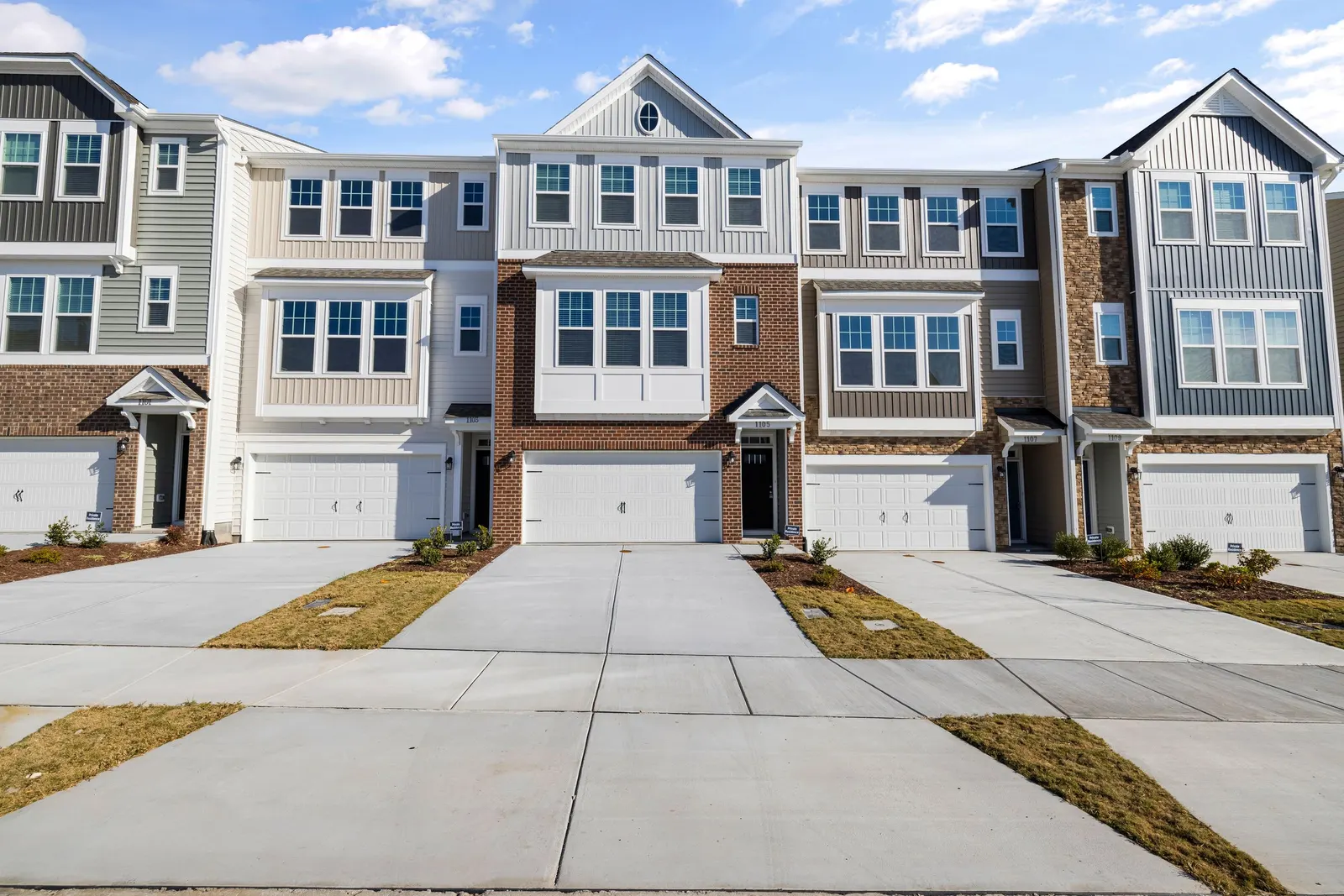
- Core focus
- Attached residential from $3 million to $7 million as a core range, with larger communities from $8 million to $15 million and beyond
- Property types
- Townhome communities, boutique condominiums, small-lot and infill attached product, phased for-sale programs
- Program parameters
- Confirmed during project review: leverage, term, pricing, and conditions vary by project, sponsorship, and capital source
Who this serves
- Developers of townhome communities built for sale
- Sponsors of boutique condominium projects
- Builders of attached infill on tight urban sites
- Developers phasing construction against presales and reservations
- Builders holding finished units through the sales period
When it fits
- The site is entitled for attached product and plans are advanced
- The legal structure (plat or condominium regime) has a clear path
- The budget carries the project through construction and the sales period
- Comparable sales support pricing for the specific unit mix
Attached residential concentrates construction efficiency and sales complexity in the same site plan. Townhomes and condominiums build faster per unit than detached homes and sell into deeper price bands, but they close in clusters, depend on legal structures that must be right before the first buyer signs, and carry a sales program whose pace decides whether the loan retires on time. The financing question is never just build cost: how units come to market, in what order, and what carries the project in between.
Evoque Commercial arranges townhome and condominium development financing for professional builders and developers: business-purpose finance for for-sale attached product, townhome communities, boutique condominiums, small-lot infill. Attached projects from $3 million to $7 million sit in one of our core transaction ranges, with larger communities from $8 million to $15 million equally at home.
When townhome and condominium financing fits
The program fits an entitled site, an advanced design package, a clear path for the plat or condominium regime, and a budget that runs through the sales period, not just to certificate of occupancy. Detached communities belong on single-family subdivision financing; a rental version of the same site plan is different underwriting (build-to-rent or multifamily territory). A project under construction with a broken budget or stalled draws starts at construction completion financing, the review built for mid-project facts.
Eligible projects and property types
Townhome communities built for sale (fee-simple rows, paired homes, clustered plans) are a core of the program, from single buildings to phased communities. Boutique condominiums, including small-lot infill where attached is the only way the land pencils, get particular attention to condominium ownership's legal and sales mechanics. Mixed formats, such as townhomes over flats or a condominium building inside a larger for-sale plan, are evaluated on the whole program's coherence.
What the financing typically covers
Depending on the file, the structure may include land acquisition or existing basis, hard costs by building and phase, soft costs including plat or regime legal work, financing costs, and an interest reserve sized to the construction and sales schedule. Draws fund against completed, inspected work. Release mechanics matter as much as the budget: which units release at which closings and how proceeds split between debt reduction and the next building.
Presales and the sales program
Attached product is sold as a program, not unit by unit. Capital sources read the marketing plan, the reservation and contract pipeline, deposit handling, and unit-mix pricing against comparable closed sales. Presale expectations differ by product and market; the demand question underneath does not. Condominiums add the regime documents, the association's first budget, and buyer-financing eligibility, each affecting closing pace as much as construction milestones.
What capital sources evaluate
Evaluation runs on four tracks. Product and price: the unit mix against what the submarket actually closed. Pace: absorption tested against comparable programs, the carry budget answering for the slower case. Construction: budget integrity, contractor experience with attached product, schedule realism across shared walls, podiums, and structured parking. Legal posture: the plat or regime, association setup, and defect exposure managed through insurance and documentation.
Leverage, pricing, term, and recourse are confirmed during project review; they vary by project, sponsorship, and capital source.
Sponsorship, equity, and the sources-and-uses
Sponsor equity arrives as cash, land basis, or completed predevelopment work, and the sources-and-uses runs through the sales period. Attached product rewards sponsors who have delivered it; a builder stepping from detached homes into a first condominium should expect the structure to reflect it: contractor's résumé, contingency line, reserve sizing. Where the stack needs more than senior debt and cash, structured capital is added deliberately, intercreditor terms settled before closing.
Exit strategy
The exit is a sequence of unit closings, defined before the first draw: release prices, proceeds splits, the pricing response if absorption slows, and when finished units move to completed inventory financing rather than sit on a maturing loan. Boutique condominiums should decide in advance how a partial sellout would be managed (rented, held, repriced) because the answer shapes the structure.
Documentation to expect
The core set: plans and specifications, the budget and schedule by building or phase, entitlement and permit documentation, draft plat or regime status, the marketing plan with comparable sales support, contractor information, the sponsor's development résumé and financial summary, and a current sources-and-uses. Third-party reports are ordered during processing. The developer document checklist produces the attached-product version.
Where attached-product files get difficult
The familiar pressure points: regime documents drafted late and discovered incompatible with buyer financing, release prices set without a plan for the slower case, defect-liability insurance priced after the budget was set, shared-structure costs (podium, party walls, structured parking) estimated from detached-product intuition, and sales programs assuming every building closes the month it completes. None is automatically fatal; all are cheaper resolved in review than mid-program. Attached product punishes improvisation and rewards sequencing, which is what the financing is for.
Frequently asked questions
Are presales required before a condominium construction loan closes?
Presale expectations vary by market, product, and capital source; some structures close on reservations and marketing evidence, others expect binding contracts on a portion of the units. The requirement, if any, is confirmed during project review. What every file needs is proof of demand at the underwritten prices.
How do phased closings work on a townhome community?
Units close in clusters as buildings complete, and the structure defines how each closing releases its unit and applies proceeds between debt reduction and the next building's costs. The release mechanics are mapped to the construction and sales sequence before closing so the program never waits on its own paperwork.
What about the condominium documents and HOA setup?
The condominium regime, the association budget, and the warranty posture are part of the file, not an afterthought. Capital sources read them because they shape buyer financing and closing pace. Engage the attorney who will draft the documents early; timing surprises here delay closings more often than construction does.
What if units finish before enough buyers close?
Finished-but-unsold units are a known feature of attached product, and an inventory bridge can carry them through the sales period once construction debt matures. Planning that possibility during the original review is materially cheaper than arranging it under pressure.
Related resources
Financing
Ground-Up Construction Financing
Construction financing for entitled and shovel-ready residential projects, structured around the budget, the draw schedule, and the exit.
Financing
Construction Completion Financing
Financing for projects that stopped short of the finish, evaluated on verified cost to complete, the lien picture, and what the finished project is worth.
Solution
Completed Inventory Financing
Finished homes that have not sold yet hold real equity and real carry. How inventory financing works, and when repricing beats refinancing.
Calculator
Interest-Reserve Estimator
Estimate the construction-period interest reserve from your own draw-pace, rate, and schedule assumptions, and see which assumption moves the number most.
Financing
Luxury Residential Development Financing
Business-purpose financing for luxury for-sale residential development: spec estates, high-end infill, resort-market projects, and boutique condominiums and townhomes.
Financing
Acquisition, Development & Construction Financing
AD&C financing for residential developers, with land acquisition, horizontal development, and vertical construction structured as one plan with clearly sequenced stages.
Reviewed by Eddie Luhrassebi, Founder & CEO · CA DRE #01230650 · NMLS #337071 · Last updated July 21, 2026
Nothing on this page is a commitment to lend, a rate or term quote, or an approval. Any financing described is subject to full underwriting, third-party reports, documentation, and approval by the applicable capital source. Submitting a project review request does not create a commitment of any kind.
Financing structures described on this page may not be available for every project, sponsor, location, or point in time. Availability depends on project feasibility, sponsorship, market conditions, and the requirements of participating capital sources. State availability may vary.