
Site Acquisition & Predevelopment
Land & Predevelopment Financing
Land is the least forgiving stage of the lifecycle to finance. Honest structure here (real equity, dated milestones) is what keeps a project alive to its construction start.
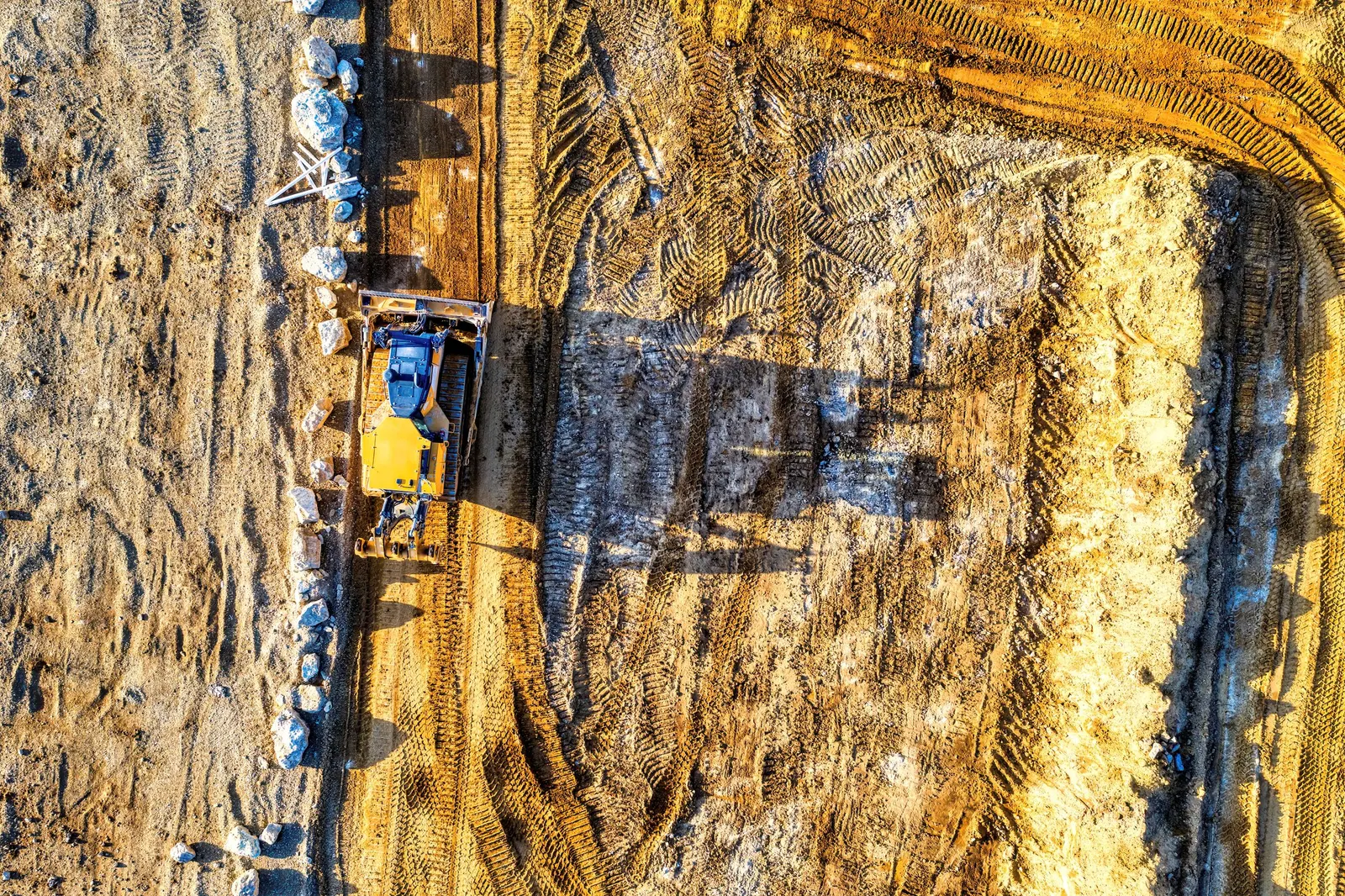
- Core focus
- Residential land and predevelopment from $3 million to $7 million as a core range, with larger land positions structured case by case
- Coverage
- Acquisition, carry, site planning, and selected predevelopment costs, with scope confirmed file by file
- Program parameters
- Confirmed during project review: leverage, term, pricing, and conditions vary by project, sponsorship, and capital source
Who this serves
- Developers acquiring entitled residential land
- Sponsors carrying sites through entitlement processing
- Developers funding planning, engineering, and permitting budgets
- Owners bridging land they already control to a construction start
- Sponsors evaluating pre-entitlement opportunities with defined plans
When it fits
- The land serves a defined residential development plan, not open-ended speculation
- The entitlement path is dated and credible in its jurisdiction
- Sponsor equity is meaningful and liquid enough to carry the hold
- The exit (construction financing, a capitalized sale, or a builder takeout) is articulated
Land is where development returns are made and financing discipline is tested first. A site produces no income, answers to a public process the sponsor does not control, and carries costs every month it waits. So land capital is structured differently: more sponsor equity, more attention to the entitlement record, and a defined path to the payoff: a construction start, a capitalized sale, or a builder takeout. Anyone promising construction-style leverage on pre-permit risk is describing a loan that will not behave well.
Evoque Commercial arranges land and predevelopment financing for residential developers: business-purpose finance for sites with a defined plan, entitled land at the core, pre-entitlement opportunities selectively, and the predevelopment work (planning, engineering, permitting, carry) that converts a parcel into a project. Land transactions from $3 million to $7 million sit in one of our core ranges, larger positions structured case by case.
When land and predevelopment financing fits
The program fits a site attached to a plan: entitled land acquired ahead of a construction start, engineering and permitting funded to make vertical financing possible, a paid-off parcel bridged to development. It is not for open-ended speculation, and not the right structure once the project is construction-ready; at that point acquisition, development, and construction financing or ground-up construction financing prices the project on its stronger footing. If site work is the need, horizontal development and finished-lot financing is the more precise program.
Eligible projects and property types
Entitled residential land is the core: sites approved for single-family communities, townhomes, condominiums, multifamily, and build-to-rent, acquired or refinanced before development. Pre-entitlement opportunities are considered where plan, jurisdiction record, and equity justify the risk, and declined candidly where they do not. Mixed-use sites where residential leads are reviewed on the same footing.
What the financing may cover
Depending on the file, the structure may address the acquisition, carry through predevelopment, site planning, and selected soft costs (engineering, architecture, permitting) where the budget supports them. Not every soft cost can be financed: predevelopment budgets are commonly shared between facility and sponsor, some categories sponsor-funded throughout. The review defines which lines the facility carries before closing; the predevelopment budget never rests on assumption.
What capital sources evaluate
Land underwriting starts with basis: the site's cost against what comparable entitled and unentitled land actually trades for, without finished-community lot values doing the arguing. Then the entitlement question (the jurisdiction's record, the timeline, the conditions likely to attach) and the plan's feasibility: does the intended product fit the market. The exit is examined as a dated event, not a concept: which construction loan, builder demand, or sale supports the payoff. Sponsor liquidity across the hold carries special weight, because land files fail through carry more often than value.
Leverage, pricing, term, and recourse are confirmed during project review; they vary by site, plan, sponsorship, and capital source.
Sponsor equity and the sources-and-uses
Expect land structures to be equity-forward. The sources-and-uses covers acquisition, closing costs, predevelopment, and carry through a realistic, not hopeful, timeline, the sponsor's share in cash or demonstrated basis. Where a partner holds part of the equity, the arrangement is documented up front; informal capital behind a land loan is a recurring difficulty. Existing debt on a refinanced site is resolved at closing, including accrued interest and extension history: facts to structure around, not surprises.
Exit strategy, the bridge to construction
A land loan is judged by how it ends. The strongest files name the exit at entry: a construction start with vertical financing mapped, a builder takedown with documented interest, or a sale into today's demand. Planning the construction handoff while entitlements finish (budgets updating, contractor pricing firming, the vertical file assembling) turns a land hold into a development sequence rather than a wait.
Documentation to expect
The core set: the purchase contract or ownership records, title work, the entitlement record and status, site plans and engineering, the predevelopment budget and timeline, market support for the product, the sponsor's résumé and financial summary, and a current sources-and-uses. Third-party reports (appraisal, environmental) are ordered during processing. The developer document checklist builds the land-stage list.
Where land files get difficult
The patterns are consistent: timelines that assume the jurisdiction's best year, carry budgets that end at the scheduled approval date, basis defended by the finished community's lot values, plans that outgrow the zoning mid-process, informal equity that surfaces during documentation, and pre-entitlement sites presented as entitled-adjacent. None is automatically fatal. Land rewards sponsors who treat the public process as a risk to structure for, and the review is where that structure gets built.
Frequently asked questions
Can unentitled land be financed?
Selectively, and with structure that respects the risk: meaningful sponsor equity, a credible entitlement strategy, and a jurisdiction with a legible process. Pre-entitlement files are the exception rather than the rule, and the review is candid about whether a given site qualifies.
Are soft costs like architecture and permits included?
Sometimes, in part. Predevelopment budgets are frequently shared between the facility and the sponsor, and some categories remain sponsor-funded; no structure finances every soft cost. Which lines the facility can carry is confirmed during project review.
How much equity should I expect to bring to a land file?
More than a construction file, as a matter of structure rather than negotiation, because land produces no income and carries entitlement and market risk simultaneously. The precise expectation depends on the site, the plan, and the capital source, and is confirmed during project review.
What happens if entitlements take longer than planned?
Timelines slip; the question is whether the structure anticipated it. Files are built with carry and milestone room where the jurisdiction's record justifies it, and with a candid conversation about extensions before closing rather than at maturity. Bring the realistic schedule, not the brochure schedule.
Related resources
Financing
Horizontal Development & Finished-Lot Financing
Financing that converts entitled land into finished residential lots: site work, infrastructure, lot inventory, and the handoff to vertical construction.
Financing
Acquisition, Development & Construction Financing
AD&C financing for residential developers, with land acquisition, horizontal development, and vertical construction structured as one plan with clearly sequenced stages.
Solution
Closing a Capital Stack Gap
A capital stack gap has a size, a location, and a clock. Naming all three precisely is what determines whether mezzanine, preferred equity, or more sponsor capital closes it.
Calculator
Loan-to-Value Calculator
Measure your loan request against value (as-is, as-completed, or as-stabilized), the companion test to loan-to-cost in every development file.
Financing
Residential Development Financing
Financing structured around the residential development lifecycle, from site acquisition and entitlements through horizontal development, vertical construction, lease-up, and exit.
Solution
After a Bank Declines Your Construction Loan
A declined construction loan usually says more about the bank's constraints than about your project. What declines mean, and the financing paths that remain open.
Reviewed by Eddie Luhrassebi, Founder & CEO · CA DRE #01230650 · NMLS #337071 · Last updated July 21, 2026
Nothing on this page is a commitment to lend, a rate or term quote, or an approval. Any financing described is subject to full underwriting, third-party reports, documentation, and approval by the applicable capital source. Submitting a project review request does not create a commitment of any kind.
Financing structures described on this page may not be available for every project, sponsor, location, or point in time. Availability depends on project feasibility, sponsorship, market conditions, and the requirements of participating capital sources. State availability may vary.